 | Phone: +254-758-392-519 Email: info@esteemedafricasafaris.com Web: esteemedafricasafaris.com |
| Size 30893.00 | Best Time to Visit June to October (Dry Season for concentrated wildlife around lakes and riverbanks) & November to March (Green Season for lush scenery and exceptional birding) | Peak Season July to October | From (per day) USD $350 – $1,200 Per Person / Day (Varies by mid-range road-based safaris vs. high-end fly-in luxury tented camps and fly-camping expeditions) |
| ◆USD $50 per adult / USD $15 per child (5–15 years; 24-hour single entry; +18% VAT = USD $59 adult / $17.70 child) | ◆USD $25 per adult / USD $7.50 per child (+18% VAT) |
| ◆TSh 10,000 per adult / TSh 2,000 per child | ◆USD $40–$50 per adult / USD $10 per child per night (+18% VAT) |
| ◆TSh 20,000 for local vehicles under 2,000 kg; USD $40 for foreign-registered vehicles under 2,000 kg |
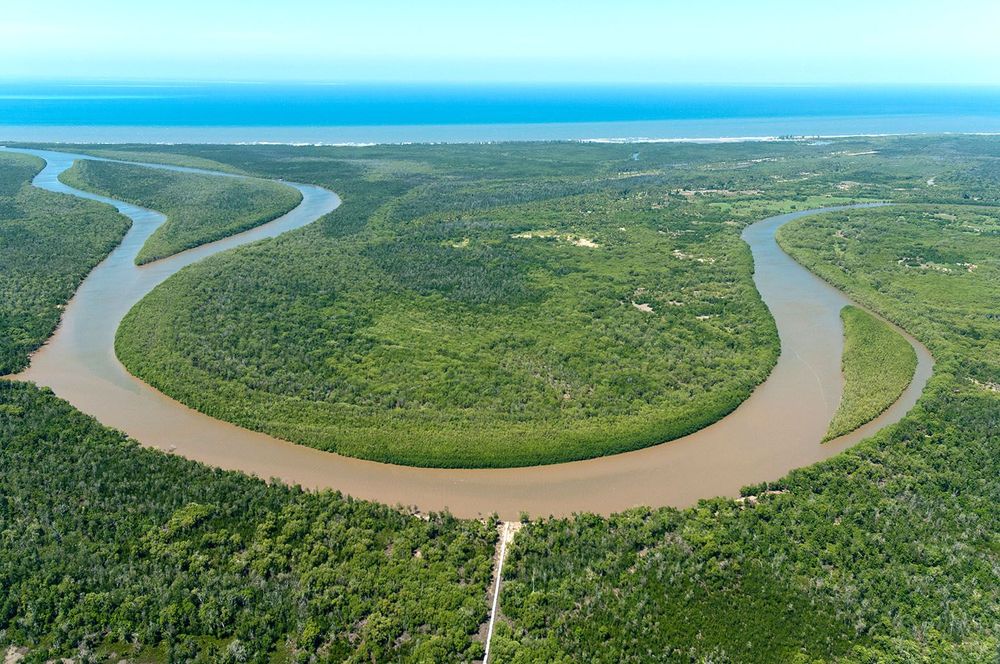
Established in November 2019, Nyerere National Park was created by carving out 30,893 square kilometers from the northern section of the legendary Selous Game Reserve - a conservation zone originally set aside under German colonial rule in 1896 and expanded under British governance. The park was named in memory of Mwalimu Julius Nyerere, Tanzania’s first president and an iconic champion of African conservation. Today, under TANAPA management, it anchors the greater Selous-Niassa wildlife corridor, which connects southern Tanzania to northern Mozambique and represents one of the largest contiguous wilderness areas on Earth.
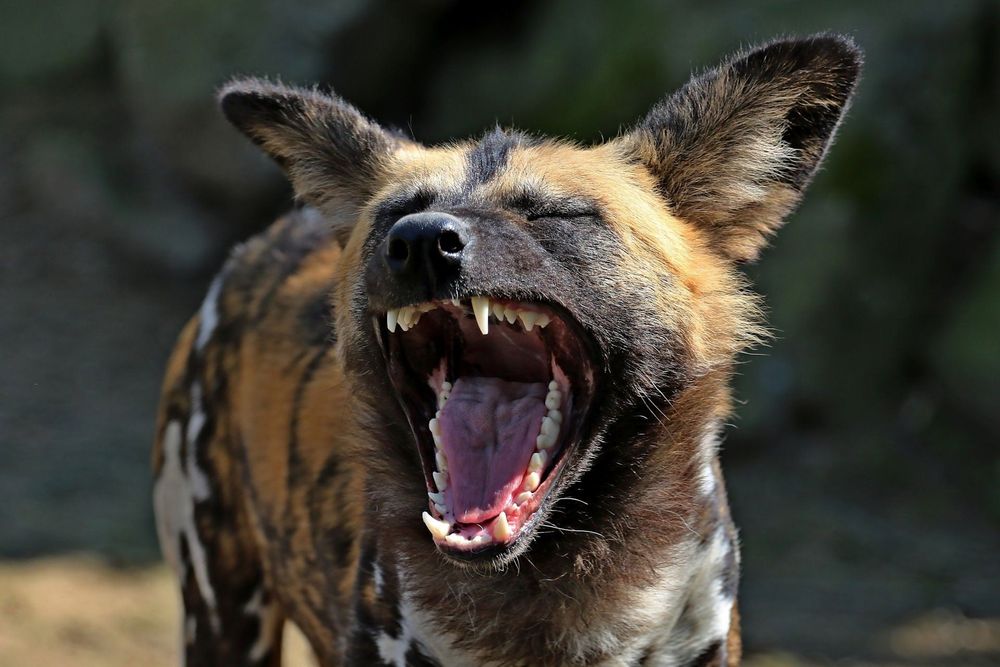
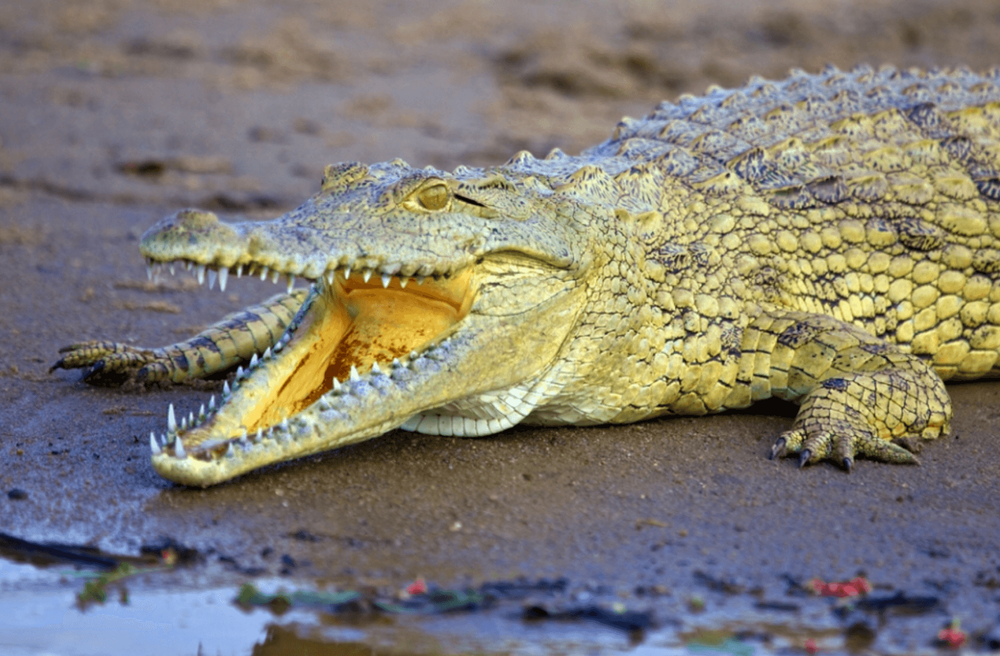
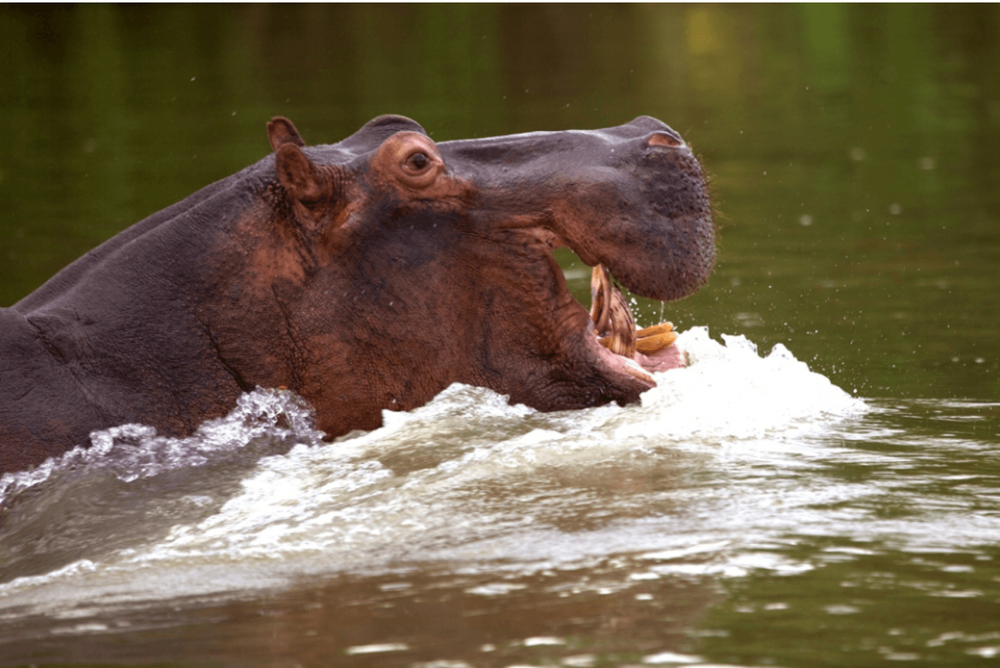
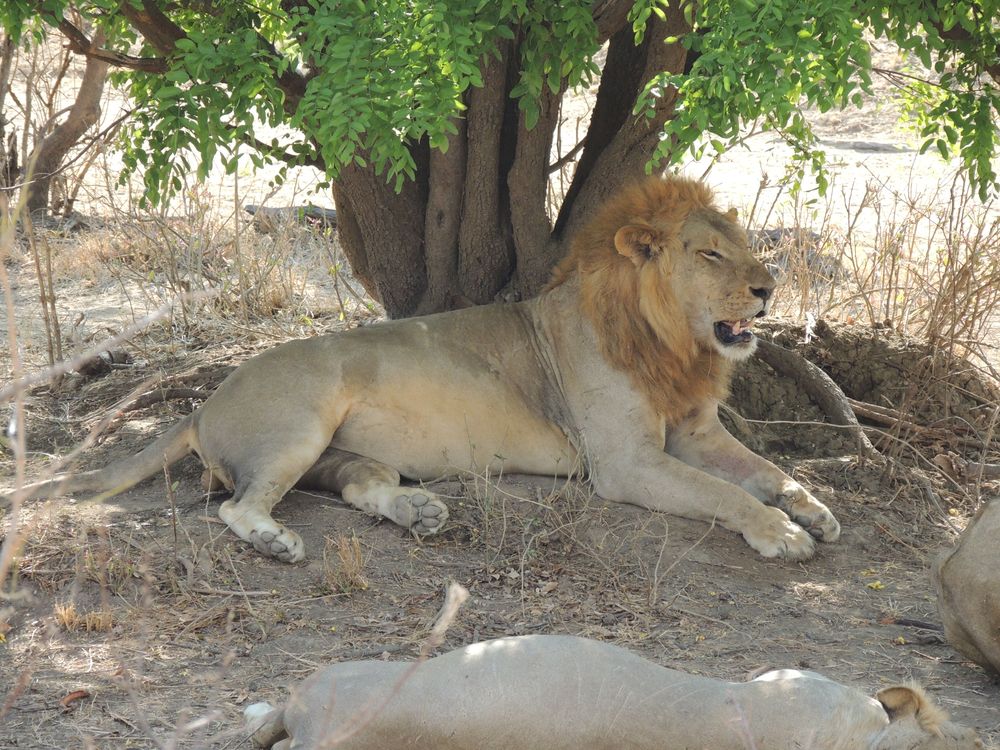
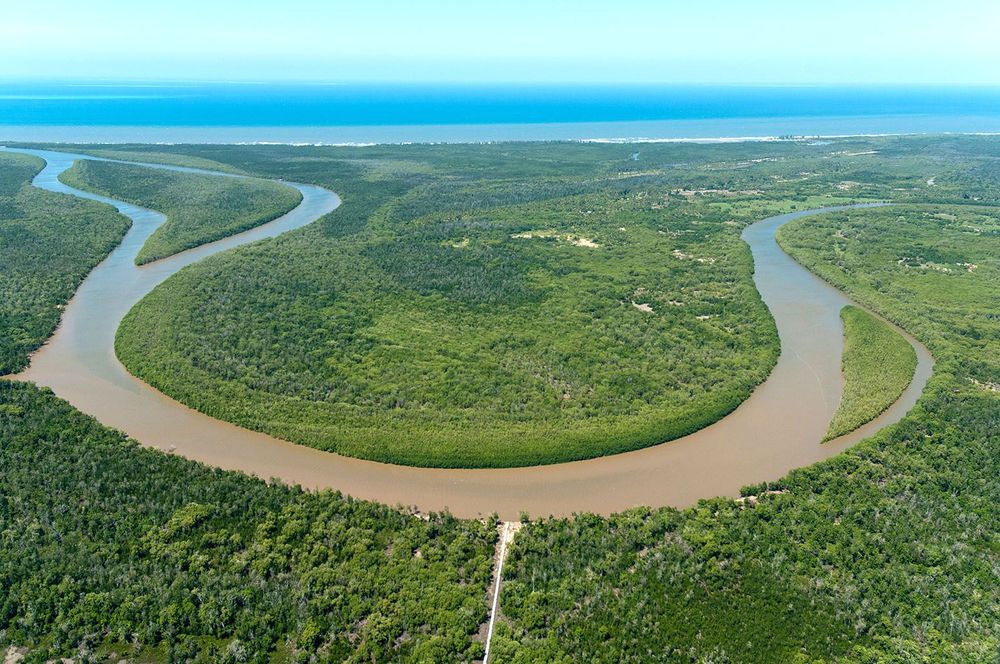
The park's lifeblood is the mighty Rufiji River, East Africa’s largest watercourse. The Rufiji winds through miombo woodland, mahogany forests, oxbow lakes (such as Lake Tagalala and Lake Manze), and seasonal sandbanks. This aquatic maze sustains colossal populations of hippos and Nile crocodiles, alongside immense herds of Cape buffalo, African elephants, and lions. Nyerere National Park is globally recognized as one of the final strongholds for the endangered African wild dog (Lycaon pictus). Unlike Tanzania's northern parks, Nyerere retains an unfiltered atmosphere where natural ecological processes thrive with minimal human interference.
| ◆African Elephant | ◆Cape Buffalo |
| ◆Lion | ◆African Wild Dog |
| ◆Nile Crocodile | ◆Hippo |
| ◆Leopard | ◆Giraffe |
| ◆Boat Safaris | ◆Game Drives |
| ◆Walking Safaris | ◆Fly Camping |
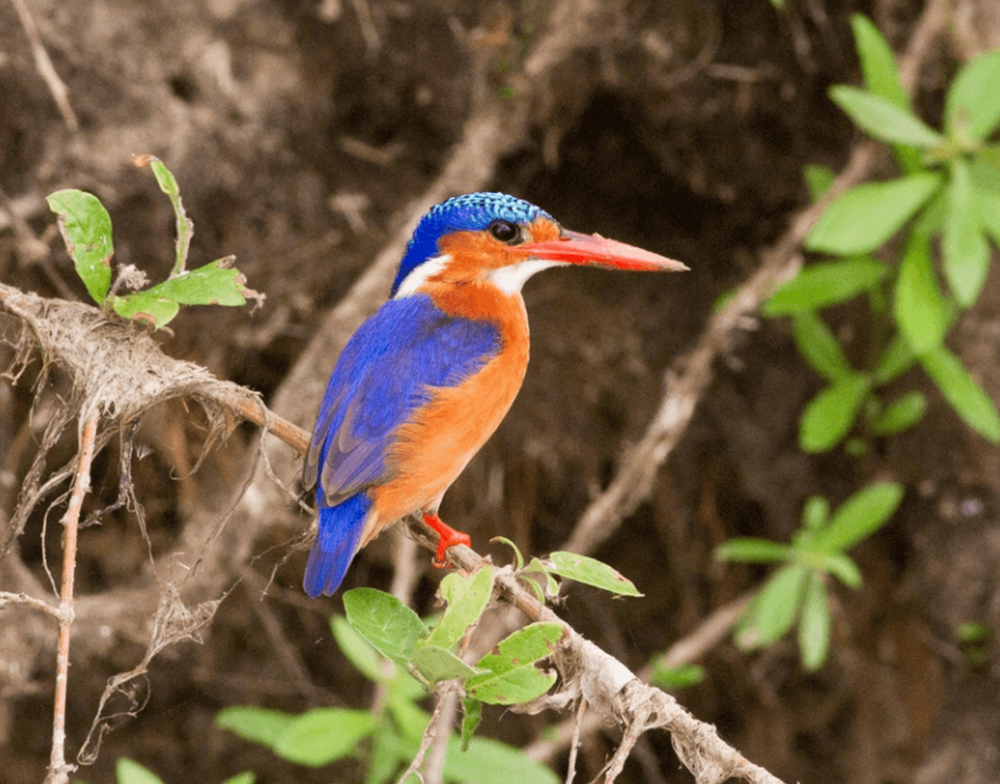
| ◆Bird Watching | ◆Photographic Safaris |
 |  | |
 |  | |
 |  | |
| Start Planning Your Safari Contact us to customize this experience +254-758-392-519 info@esteemedafricasafaris.com | Generated on 7 Oct 2026 Esteemed Africa Safaris |