Travel Information
Safari FAQs
Answers to the most common questions about planning your East African safari.
- How far in advance should I book my safari? For peak season (June–October and December–February), we recommend booking 6–12 months in advance to secure your preferred luxury lodges and gorilla trekking permits. Shoulder and green season journeys can often be arranged 3–6 months prior to departure.
- Can I customize my safari itinerary? Absolutely. Every journey designed by Esteemed Africa Safaris is 100% tailor-made. Tell us your ideal travel dates, wildlife interests, desired pace, and budget, and our safari specialists will craft a bespoke itinerary suited exclusively to you.
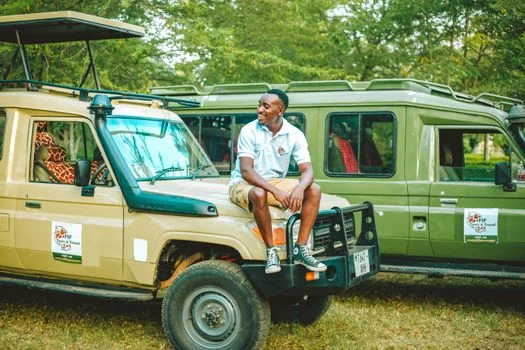
- What is included in an Esteemed Africa Safaris package? Our custom safari packages typically include boutique lodge and camp accommodation, all meals while on safari (full board), all national park and conservancy conservation fees, private 4x4 Land Cruiser with pop-up roof and unlimited game drive mileage, certified professional naturalist driver-guide, airport and airstrip transfers, and mineral drinking water. International flights, entry visas, travel insurance, premium drinks, and personal gratuities are excluded.
- Do you offer group departures or only private safaris? We specialize primarily in private, bespoke safaris ensuring complete exclusivity and flexibility. However, small-group departures and family group arrangements can be coordinated upon request.
- What is the required payment deposit schedule? Standard bookings require a 20–30% deposit at confirmation to secure boutique lodges, internal flight sectors, and gorilla/chimpanzee permits. The remaining balance is due 60 days prior to travel. For last-minute bookings (<60 days), full payment is required upon confirmation.
- Do I need an entry visa for Kenya, Tanzania, and Uganda? Most international travelers require an entry visa or travel authorization. Kenya requires an electronic travel authorization (eTA) applied online prior to travel. Tanzania and Uganda issue e-Visas through their official portals. For travelers visiting both Kenya, Uganda, and Rwanda, the East Africa Tourist Visa (USD 100) offers multi-entry convenience.
- How long does an e-Visa or eTA take to process? Kenya eTA approvals typically take 2–3 business days. Tanzania and Uganda e-Visas typically take 3–5 business days. We strongly recommend submitting online applications at least 3 to 4 weeks prior to your departure date.
- What passport validity is required for East Africa travel? Your passport must be valid for at least six (6) months beyond your planned date of departure from East Africa, and must contain at least 2 to 3 blank visa pages for entry and exit stamps.
- Is a Yellow Fever vaccination certificate required? A Yellow Fever certificate is strictly mandatory when entering Uganda. Tanzania requires proof if arriving from or transiting through an endemic country. While not required for direct arrival into Kenya from non-endemic countries, vaccination is strongly recommended for seamless travel throughout East Africa.
- Do I need to take malaria prophylaxis tablets? Yes. Malaria is endemic to many wilderness and lowland safari regions of East Africa. We strongly urge you to consult your personal physician or travel clinic to obtain the recommended prophylaxis (such as Malarone, Doxycycline, or Lariam). Combine medication with long-sleeved evening clothing, insect repellent, and lodge mosquito nets.
- Is tap water safe to drink on safari? Drink only bottled, boiled, or UV-filtered water. All our private safari vehicles are stocked with complimentary drinking water, and partner lodges supply safe drinking water in guest suites and dining areas. Avoid ice unless verified to be made from purified water.
- What medical emergency protocols are in place while in remote parks? Esteemed Africa Safaris maintains a 24/7 operations monitoring desk. All guests are enrolled with AMREF Flying Doctors emergency medical evacuation insurance, providing rapid emergency air ambulance response from remote bush airstrips directly to advanced medical centers in Nairobi or Entebbe. Lodges also maintain certified first-aid equipment.
- Is comprehensive travel insurance mandatory? Yes, we strongly recommend that every traveler secures comprehensive international travel insurance covering emergency medical evacuation (minimum USD 100,000 coverage), trip cancellation/interruption, baggage loss, and adventure activities.
- Are safaris safe for solo travelers and families? East Africa is renowned for its warm hospitality and peaceful safari circuits. You are accompanied from airport arrival to departure by experienced, vetted professional guides. Inside national parks and private conservancies, safety protocols are strictly enforced around wildlife.
- Will I see the Big Five on my safari? Kenya's Masai Mara and Tanzania's Serengeti and Ngorongoro Crater offer the highest likelihood of seeing all Big Five members (lion, leopard, African elephant, Cape buffalo, and black rhino). Uganda features four of the five in the wild, complemented by guided rhino tracking at Ziwa Rhino Sanctuary. While wild animals move freely, our professional naturalists maximize sighting opportunities daily.
- How close do safari vehicles get to wild animals? Our guides adhere to ethical wildlife viewing principles. Vehicles maintain a respectful distance to avoid disrupting natural animal behaviors. Off-road driving is strictly limited to authorized private conservancy sectors. Guests must remain inside vehicles during game drives except at designated scenic viewpoints.
- When is the best time to witness the Great Migration? The Great Wildebeest Migration is a continuous year-round circuit: dramatic river crossings in the northern Serengeti and Masai Mara typically unfold from July through October. The southern Serengeti calving season occurs between January and March, featuring thousands of newborn calves and intense predator activity.
- What is involved in gorilla trekking in Uganda and Rwanda? Gorilla trekking in Bwindi Impenetrable Forest or Volcanoes National Park entails hiking through dense rainforest guided by expert trackers and armed wildlife rangers. Once your assigned gorilla family is located, you spend exactly one magical hour with them. Treks vary from 2 to 7 hours depending on the gorillas' location. A moderate level of fitness is recommended.
- Can children participate in safaris? Yes! East Africa is an exceptional classroom for young explorers. Most luxury camps welcome children, offering family suites and Junior Ranger programs. Game drives have no strict age limit, though certain activities have statutory minimums (gorilla trekking is 15+; bush walks are typically 12+). We design family itineraries with gentle travel paces.
- What should I wear during daytime game drives? Choose comfortable, neutral-colored clothing (khaki, tan, olive, stone). Avoid bright colors (which can startle animals) and dark blue or black clothing (which attract tsetse flies in certain woodlands). Pack layers: lightweight breathable garments for midday sun, and fleece jackets or windbreakers for chilly morning and evening game drives.
- Do I need heavy hiking boots for safari? For traditional game drives, comfortable sneakers or light trail shoes are sufficient. If your itinerary includes gorilla trekking, chimpanzee tracking, or guided walking safaris, sturdy waterproof hiking boots with ankle support and deep tread are essential.
- What is the evening dinner dress code at luxury safari camps? Camp life is elegant yet relaxed. Smart casual safari attire is customary for evenings and fireside dinners. Long trousers and light long-sleeved shirts are recommended for warmth and protection against evening insects.
- What are the luggage restrictions on bush flight transfers? Internal light aircraft transfers (Cessna Grand Caravans) enforce a strict luggage limit of 15 kg (33 lbs) per person, inclusive of hand luggage. Bags must be soft-sided duffels without rigid frames or hard wheels so they can fit into curved aircraft baggage pods. Most lodges offer daily complimentary or low-cost laundry service.
- What currency should I bring and are credit cards widely accepted? US Dollars (USD) are widely accepted across East Africa for tipping, park concessions, and souvenirs. Ensure USD bills are printed in 2013 or newer, clean, and un-torn (banks and lodges reject older or damaged notes). Visa and Mastercard are accepted at major lodges and urban hotels, often with a 3–5% merchant surcharge. ATMs are available in major cities.
- Will I have mobile phone reception and Wi-Fi internet access? Most safari lodges and tented camps offer complimentary Wi-Fi in central lounge and dining areas, though satellite connection speeds in remote locations may vary. Cellular connectivity is available near towns and major reserves, but can be limited in remote valleys. Guides carry high-frequency two-way radios for operational contact.
- What electrical plugs and voltage are standard in East Africa? Kenya, Tanzania, and Uganda utilize British standard Type G three-pin plugs with 220–240V, 50Hz electricity. We recommend packing a universal plug adapter. Our custom 4x4 Land Cruisers and lodge rooms feature multi-pin charging points and USB ports.
- What is the time zone in Kenya, Tanzania, and Uganda? All three East African nations operate within East Africa Time (EAT), which is UTC+3 (GMT+3) year-round. East Africa does not observe daylight saving time, ensuring consistent sunrise and sunset hours around 6:30 AM and 6:45 PM.
- What are the customary tipping guidelines for safari staff? Tipping is discretionary but customary and deeply appreciated for attentive service: Professional Driver-Guide: USD 15–25 per party per day; General Lodge/Camp Staff (via central tip box): USD 10–15 per guest per day; Gorilla Trek Trackers/Rangers: USD 15–20 per guest; Trekking Porter: USD 15–20 per trek (highly recommended). Please tip in clean USD cash or local currency.
- How does Esteemed Africa Safaris support wildlife conservation? We partner exclusively with conservation-first operators, community conservancies, and eco-certified wilderness lodges. A direct portion of every safari booking supports boots-on-the-ground anti-poaching rangers, wildlife veterinary rescue, and habitat corridor preservation.
- How do your safaris benefit local African communities? We prioritize community-owned conservancies where tourism lease revenues flow directly to indigenous landowners. Over 90% of our safari guides and lodge partner staff are recruited and trained locally, and our journeys fund local school bursaries, clean water infrastructure, and mobile health clinics.
- Are single-use plastic bags permitted in East Africa? Kenya, Tanzania, and Rwanda enforce strict bans on single-use plastic carrier bags, with strict confiscation at border and airport customs. We ask all travelers to pack luggage using reusable cloth bags, packing cubes, or clear toiletries pouches. Reusable stainless-steel water bottles are provided for your journey.
Still Have Questions?
Can't find the answer you're looking for? Our specialists are happy to help.