
TRAVEL INFORMATION
Best Time to Visit
Best Time to Visit
East Africa is a year-round destination, with each season offering unique wildlife spectacles and dramatic scenery. Here is our specialist guide to help you choose the best time for your safari.
PEAK SEASON
DRY SEASON
June – October
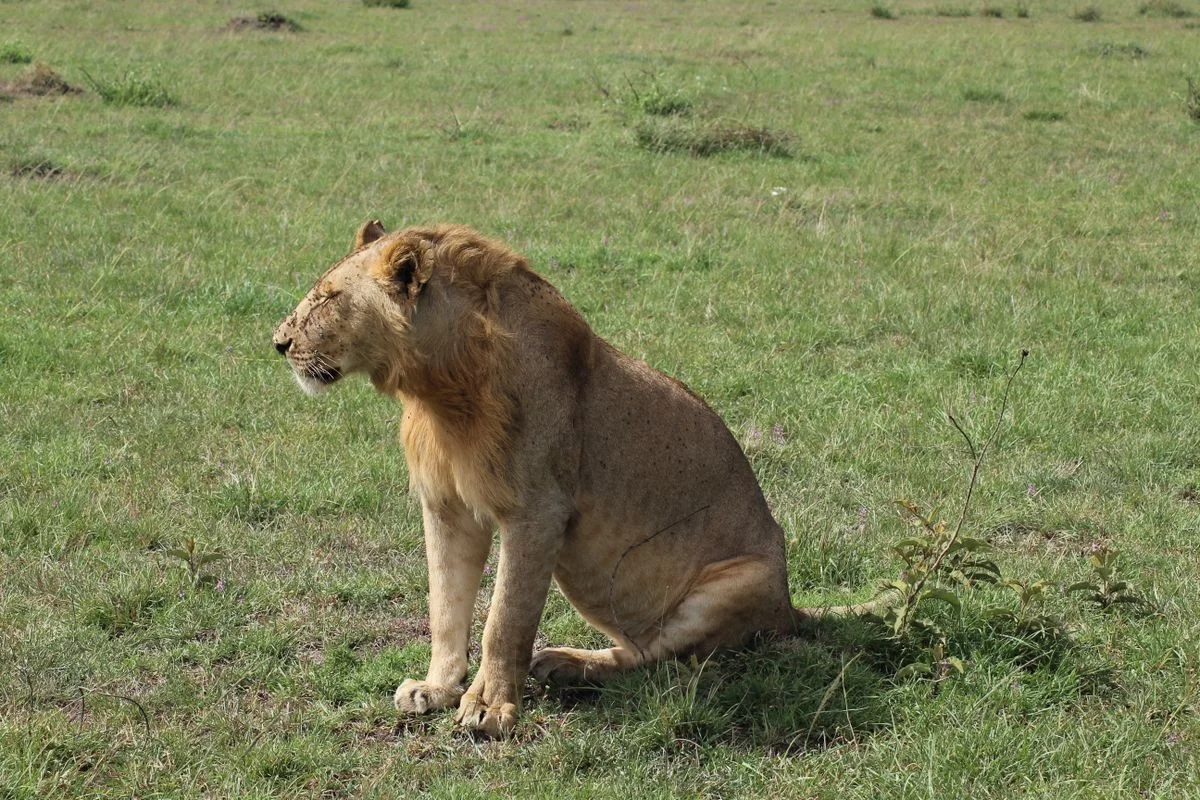
- • Best wildlife viewing as animals gather around rivers & waterholes
- • World-famous Great Migration river crossings in Masai Mara & Northern Serengeti (July – October)
- • Pleasant dry weather, clear sunny skies, and low mosquito activity
- • Optimal road conditions in all remote parks & national reserves
GREEN SEASON
SHORT RAINS
November – December
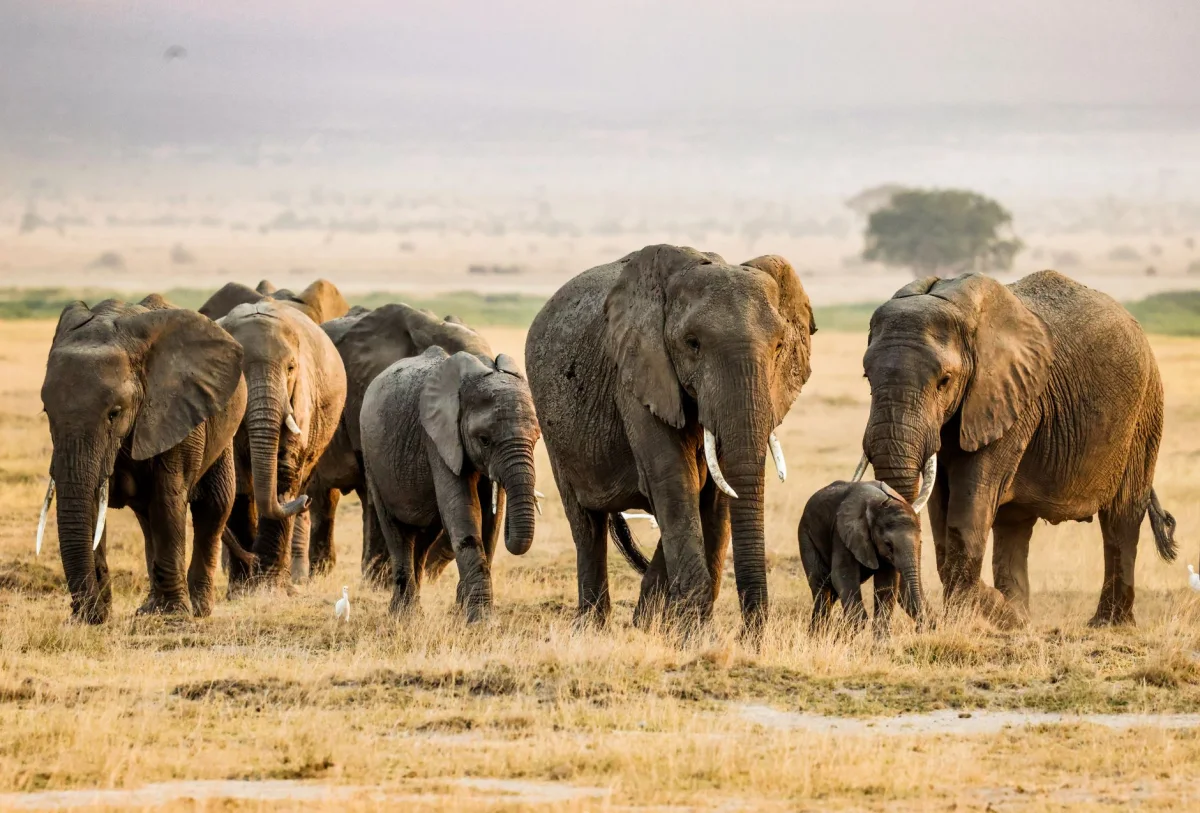
- • Lush emerald savannahs and dramatic cloudscapes
- • Fewer tourist crowds and excellent lodge availability
- • Arrival of thousands of migratory birds from Europe & Asia
- • Short afternoon showers that rarely disrupt scheduled game drives
LOW SEASON
LONG RAINS
March – May
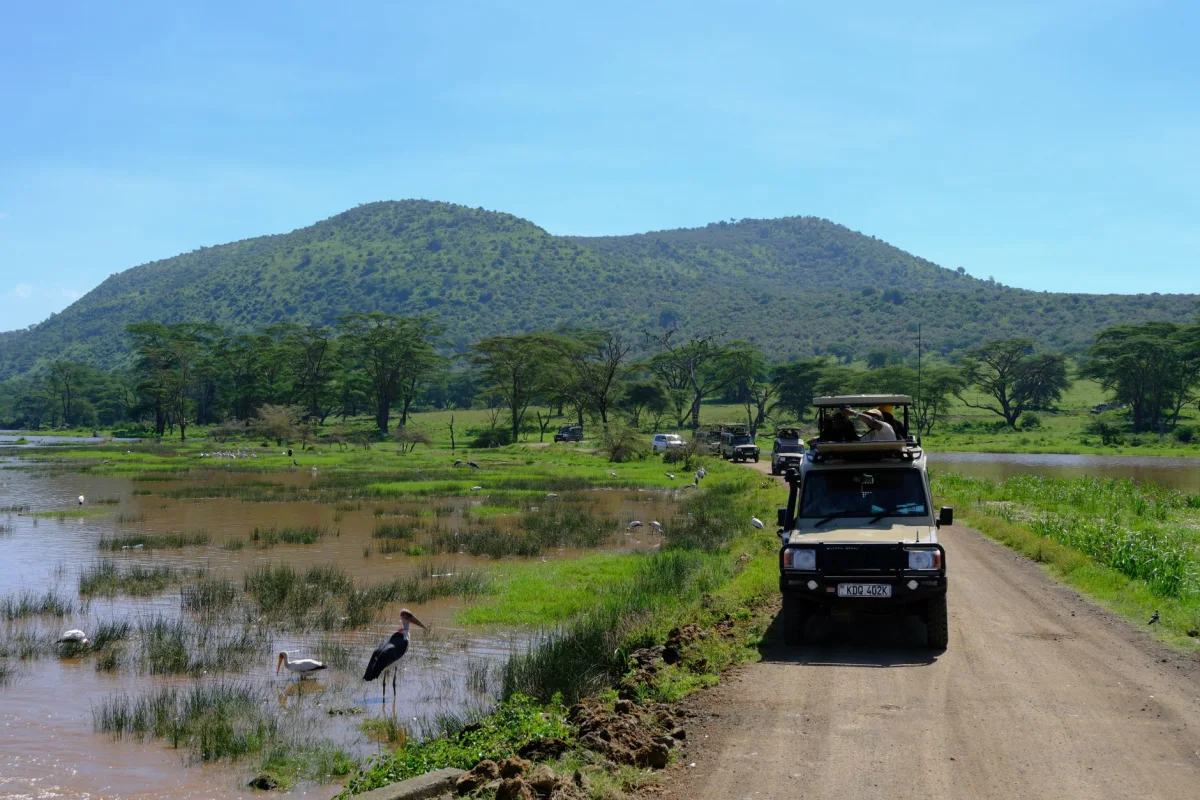
- • Lowest lodge rates of the year — incredible safari value
- • Ultra-exclusive safari experience with very few other vehicles
- • Abundant newborn wildlife and flourishing wildflowers
- • Heavy tropical downpours; 4x4 Land Cruisers with expert drivers essential
CALVING SEASON
SHORT DRY SEASON
January – February
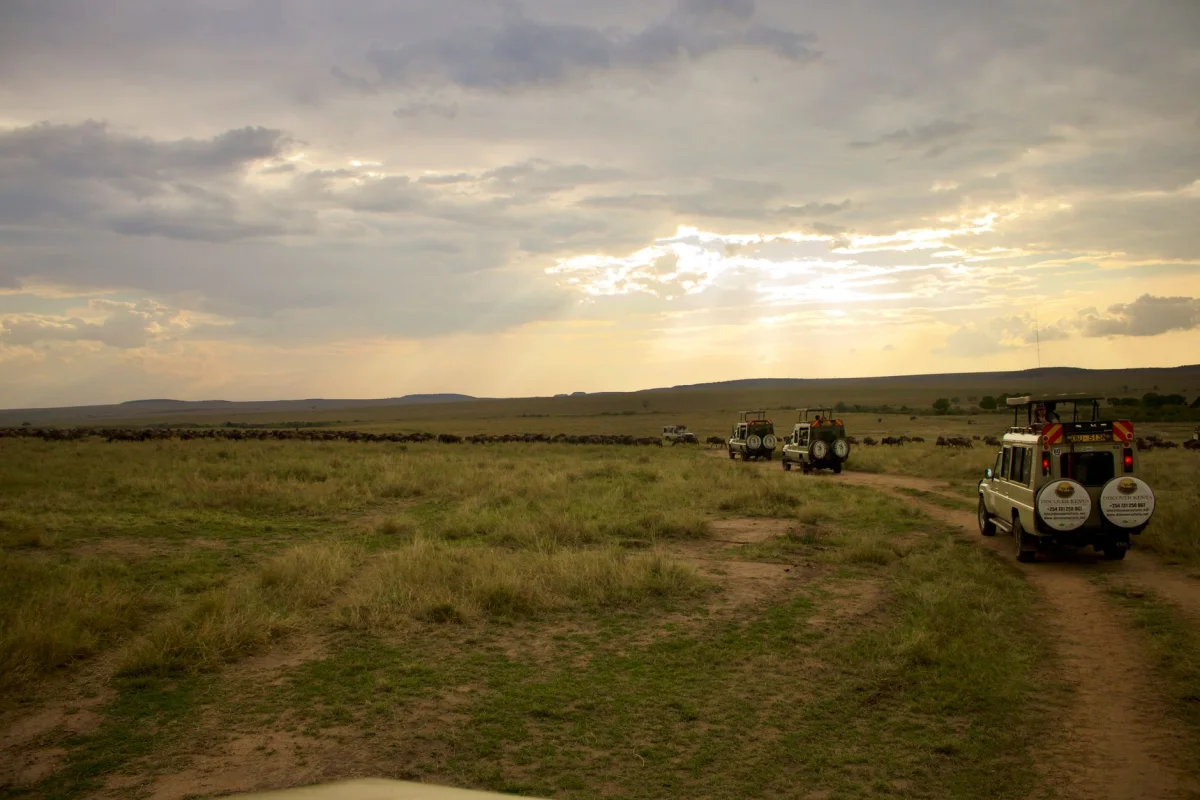
- • Wildebeest calving season in Southern Serengeti & Ndutu area
- • High predator activity (lions, cheetahs, leopards, hyenas)
- • Warm, dry weather with comfortable safari conditions
- • Superb conditions for combined beach holidays in Zanzibar or Diani
lightbulb
OUR EXPERT TIP
If your goal is witnessing the Great Migration river crossings, plan your safari between July and October. For newborn wildlife, lush emerald landscapes and fewer crowds, the green seasons (November – December & January – February) offer extraordinary value and photographic light.